Content warning: This article contains some graphic descriptions of murder and sexual assault.
Minnesota is probably best known as a sleepy Midwestern state, with a reputation for being “nice”—like in “Fargo.”
Even so, a number of puzzling abductions and chilling murders have occurred in the small towns of Minnesota. Some of these cases have been of national importance, leading to new laws protecting missing persons and punishing those who have preyed upon them.
While neighboring Wisconsin was home to some of the most notorious serial killers, like Ed Gein and Jeffrey Dahmer, it’s often Minnesota’s victims—not the perpetrators—who have made headlines.

1. The abduction of Jacob Wetterling
While biking home from the gas station one October evening in 1989, 11-year-old Jacob Wetterling, his younger brother, and a friend were held by a man at gunpoint in St. Joseph. The man grabbed hold of Jacob and told the other boys to run, threatening to shoot them if they didn’t flee. This was the last time Jacob was seen alive by his friends and family.
Jacob’s kidnapping took the media by storm—but his disappearance wouldn’t be solved until nearly 30 years later, when his killer first revealed the whereabouts of Jacob’s remains to authorities, then confessed to kidnapping, sexually assaulting, and murdering the young boy.
His killer was a person of interest in the investigation, as well as in the sexual assault of another boy from a nearby town, and was rumored to have preyed upon other children in the area. Despite interviewing the man, searching his home and vehicle, and receiving numerous leads implicating him, local and federal authorities failed to connect him to the case.
While the details of Jacob’s assault and murder weren’t revealed until 2016, it was long believed a sex offender might be involved. As a result, lawmakers passed the Wetterling Act in 1994, mandating state registration of convicted sex offenders for the first time in history.
The story of Jacob Wetterling’s murder—and the stunted investigation that followed, leaving the crime unsolved for nearly three decades—is covered in detail in season one of The New Yorker’s Peabody Award-winning podcast, “In the Dark.”

2. The killing of Katie Poirier
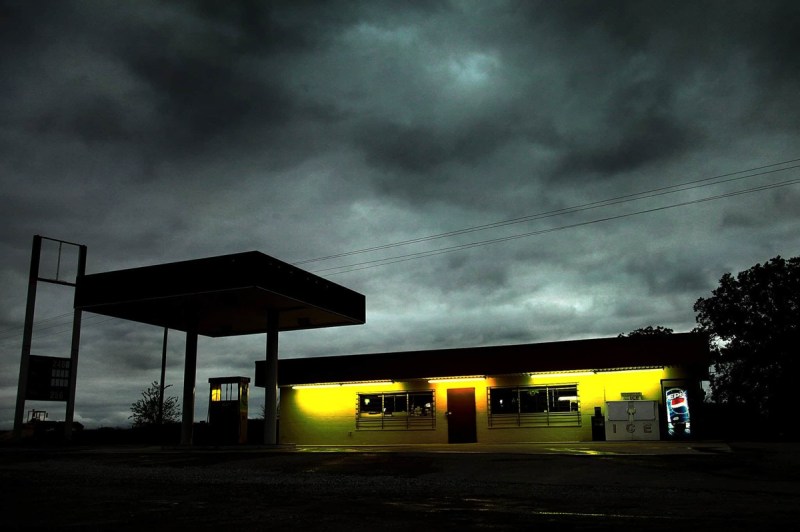
The week after Memorial Day in 1999, Katie Poirier was working a shift at the local gas station in Moose Lake. Later that night, when a patron came through the Conoco station, he found it unattended and called the police. Video footage from the convenience store showed Katie being forcibly led from the store by a man in a New York Yankees jersey. Katie never turned back up.
A man was connected to the crime and arrested. He turned out to be a known violent offender since 1975, convicted on prior charges of felony sex crimes. The man confessed to kidnapping Katie from the gas station and strangling her, but later recanted. Soon, remains believed to belong to Katie were found in a fire pit on the man’s property.
Like the Jacob Wetterling case, Katie’s murder raised concerns about lenient laws for the punishment of sexually violent crimes, like those repeatedly committed by her killer. Katie’s Law was passed as a result, implementing stricter penalties and increased tracking for sex offenders in Minnesota.
By the time of his final conviction in 2000 for the murder of Katie Poirier, he was sentenced to life in prison without parole. He died in prison in 2023.

3. The disappearance of Brandon Swanson
Celebrating the end of his first year of college, Brandon Swanson spent the night out with friends. When he left a friend’s house later that night, no one thought anything of it—yet Brandon took to the backroads and wound up driving his car into a ditch.
Brandon called his parents to pick him up. He thought he was in the nearby town of Lynd. His parents left to get him, but they couldn’t locate him on the gravel roads of Lynd. Still on the line with his parents, Brandon got out of the car, intent on heading into the nearest town to be picked up.
About 45 minutes into their phone call, Brandon suddenly said, “Oh shit,” and the call ended. His parents called back, but Brandon didn’t pick up.
The next day, authorities found his car, far from Lynd, and searched the area. And in the 18 years since, they have searched for Brandon many times over, but nothing has ever been found—no clothing, no cell phone, no body. That long night in 2008, Brandon Swanson vanished and has never been found.
In the initial hours after Brandon went missing, police delayed searching for him since he was an adult. Under the circumstances of Brandon’s strange disappearance, his family later pressed for legislation known as Brandon’s Law, which requires law enforcement in Minnesota to investigate missing persons reports immediately.
Authorities continue to search for signs of Brandon nearly two decades later.
4. The victims of the Weepy-Voiced Killer
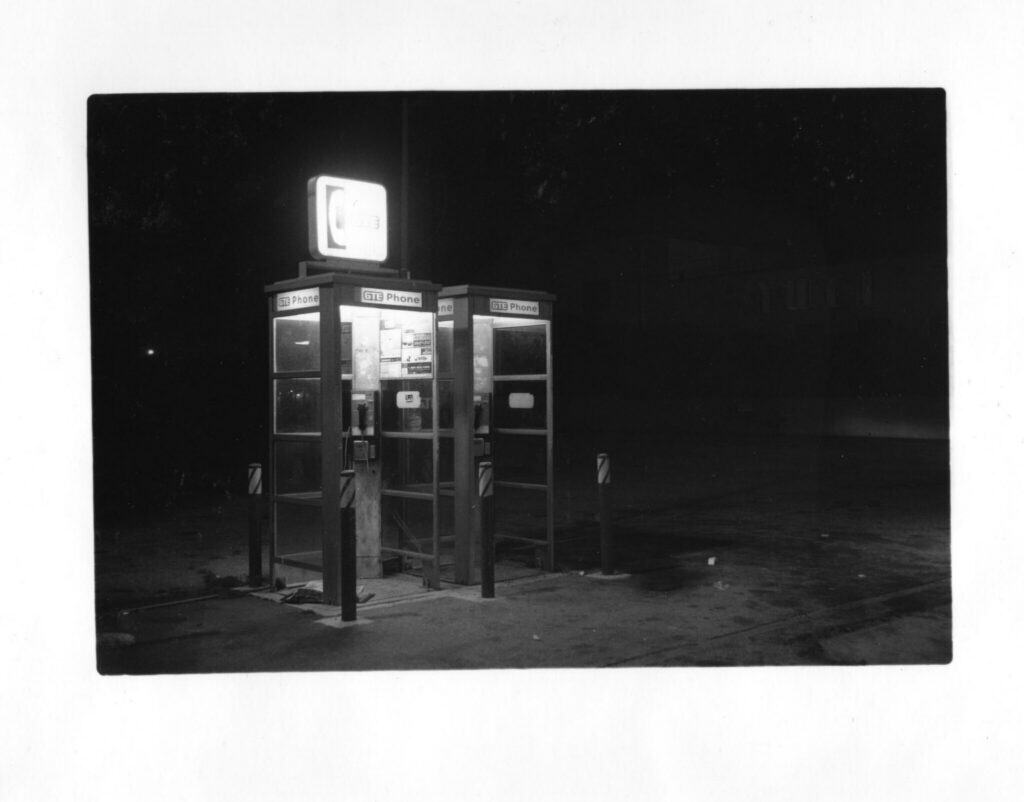
Following the severe beating of a young woman on New Year’s Day in 1981, an anonymous caller phoned 911 to report the “hurt” woman’s condition. It was the perpetrator who made the call, a move which would become his signature.
Months later, the perpetrator placed another call, confessing to the violent stabbing of a woman. The caller taunted police, demanding they locate him. When he called, his voice sounded tearful and distressed, earning him the nickname of the “Weepy-Voiced Killer” in the media.
Soon, a third victim, of yet another brutal stabbing, surfaced alongside a confessional call from the weepy-voiced man saying he was “sorry” and “sick.”
Then one night in 1982, the Weepy-Voiced Killer sought out his final victim—a young woman whom he again stabbed, but who resisted his attacks. Through the struggle, she managed to escape, leaving her would-be killer injured. When he called authorities, not to confess but to request an ambulance, they recognized his voice, leading to his arrest and ultimately a conviction for her attempted murder.
One of Minnesota’s most disturbing serial killers, the Weepy-Voiced Killer, spent the rest of his life in prison. He confessed to the crimes (and an additional murder which didn’t bear his calling card) shortly before his death in 1998.
5. Betrayal at the Glensheen Mansion
On a summer night in 1977, someone infiltrated the quarters of Elisabeth Cogdon, heir to a mining family fortune. The intruder suffocated her with her pillow as she lay in bed and bludgeoned her nurse caretaker to death.
The murder took place in the expansive 39-room Glensheen Mansion in Duluth. The historic home is a popular tourist destination—and the site of one of Minnesota’s most scandalous murders.
Cogdon’s own adopted daughter and her husband, who seemed desperate for the inheritance money the 83-year-old Cogdon would leave them upon her death, were tried for the murder.
After a muddled trial, the husband was convicted and the adopted daughter acquitted. Eventually, he was retried, took a plea deal, and served five years—only to commit suicide some years later. Though free, Cogdon’s adopted daughter went on to lead a life of crime, serving two prison terms for arson, and has been dubiously associated with other violent crimes.
This article first appeared on Good Info News Wire and is republished here under a Creative Commons license.
Related: 7 exotic animals you won’t believe are legal to own in Minnesota