As practices for fall sports are underway for Minnesota schools, there is a legislative push to mandate CPR training for coaches.
In the meantime, schools themselves are preparing to comply with a new law. It is the first year where Minnesota schools need to establish Cardiac Emergency Response Plans.
Kelly Youland, a parent in Woodbury, became an advocate for more training ever since her young daughter survived cardiac arrest. Youland is CPR certified and is working with partners to help schools get ready. Youland pointed out equipping staff with life-saving skills is vital in case a student’s heart stops beating in gym class, for example. There are other scenarios, too.
“It can happen to a teacher in her classroom preparing for the next day. It can happen to somebody working in the cafeteria,” Youland outlined. “These are all situations that we need to be prepared for.”
Youland, also an American Heart Association volunteer, is among those who would like to see the requirement extended to coaches. A bipartisan bill creating such a mandate failed to gain enough traction last session and supporters hope it gets revived in 2027. Past versions have encountered skepticism from the Minnesota State High School League, which often points to existing protocols within athletics.
For the school-wide mandates taking shape this year, Youland stressed they are generally designed to be comprehensive.
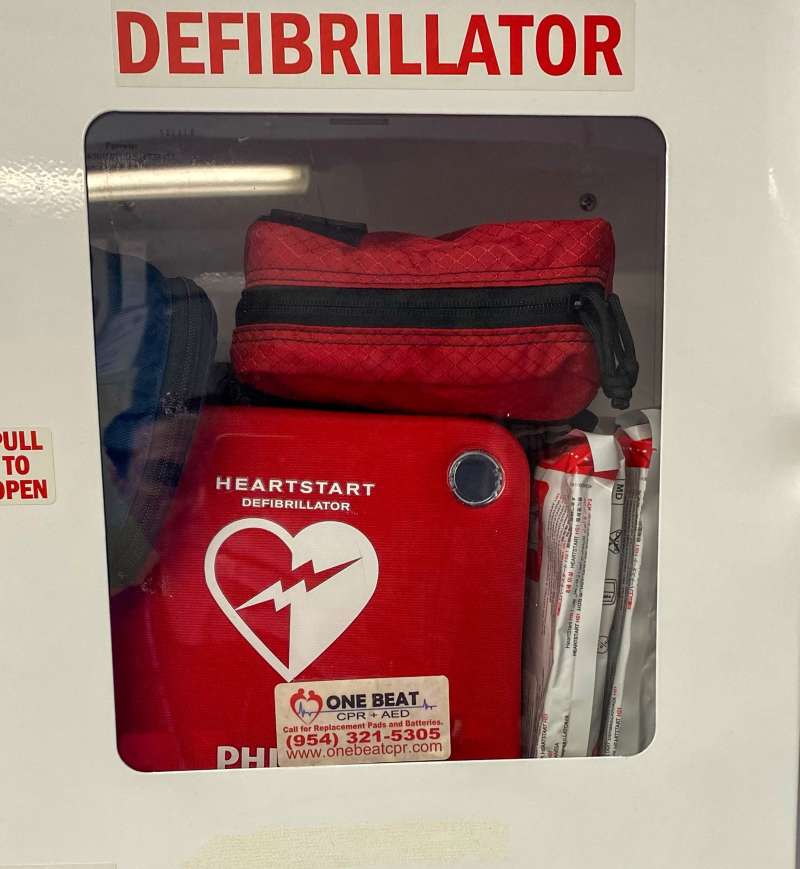
“They will all have to have an AED accessible within three minutes, where they can respond to the student or a staff member, whoever it may be. We gave them the tools in the classroom, even covering, say, (if) a student was in a wheelchair,” Youland emphasized.
The new law also set aside grants for districts with limited resources as they craft their plans.
The Heart Association says more than 23,000 children age 18 and younger experience cardiac arrest outside a hospital each year in the U.S. Survival rates can exceed 50% when a practiced response plan is in place.