By Mike Moen
Stretching a grocery budget is something familiar to many Minnesotans these days and programs based on Indigenous food traditions are teaching kids and others how to get the most out of their foods, and making use of the land is a part of it.
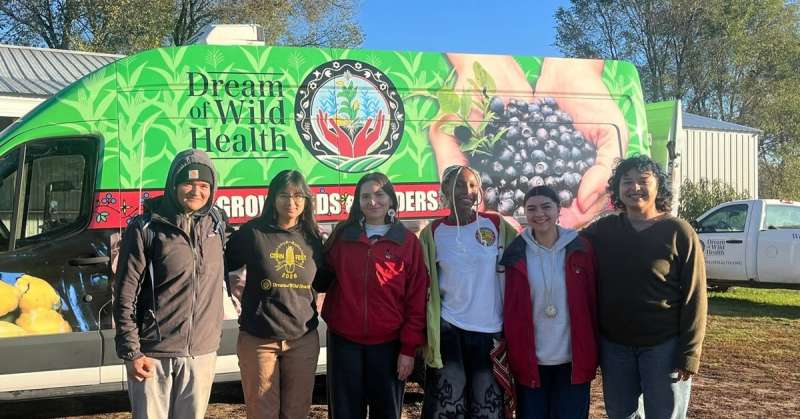
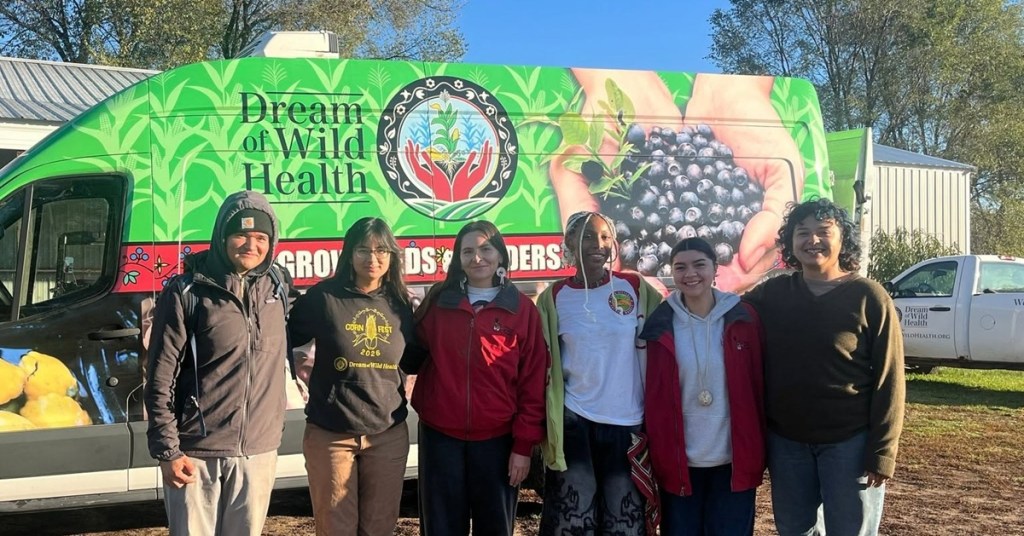
National polling shows a link between elevated food prices and more people spending time in vegetable gardens. The intertribal nonprofit organization Dream of Wild Health educates urban Native Americans about cultural food traditions while operating a 30-acre farm north of the Twin Cities.
Kayla Garrett, farm distribution lead for the group, is an alum of its youth program, where kids are taught how to grow and cook food. She described their outreach as an investment in food production.
“Youth involved in the work, they grow up to teach their peers, teach their parents, their grandchildren, and it just starts at an early level, like a love for food, a love for being healthy, and a love for revitalizing traditions,” Garrett explained.
The farm grows more than 200 varieties of rare bean, corn, squash and other seeds, while serving as a place for Natives and non-Natives to rebuild a relationship with the land.
Why Indigenous food traditions matter now
Garrett noted the timing is important, as food deserts plague under-resourced neighborhoods and store prices for healthy foods climb. She added struggling households need space and guidance to process and prepare food supplies to last.
Garrett pointed out a lot of people might assume rethinking how they fill up their cabinets and freezers is not for them but she thinks it is not out of reach.
“It seems difficult, but anybody can grow food, really. And when you grow food, it’s not just for yourself but you’re looking at abundance for a community,” Garrett observed.
Food produced by Dream of Wild Health is distributed and donated through partner organizations. It is also sold in bulk to Native households on a sliding scale through food shares.
Non-Natives can also find items at local farmers markets. Statewide, online sources have maps showing more than 100 community gardens around Minnesota, with many taking similar approaches.
Related: Minnesota landmarks with Indigenous histories hidden in plain sight