The Bipartisan American Affordability and Jobs Act of 2026 (BAAJA) is a bill that would make changes to the US’s current permitting regulations.
It also would revise environmental review processes, like reducing tribal consultations, limiting public input, and increasing “project certainty,” which would make it harder for federal administrations to “revoke, rescind, withdraw, terminate, suspend, amend, or alter” federal leases.
The proposal has drawn criticism from Minnesotans who believe that the bill would help pave the way for sulfide-ore mining around in the Boundary Waters Canoe Area Wilderness (BWCA), given a 20-year ban on mining in the area was overturned earlier this year.
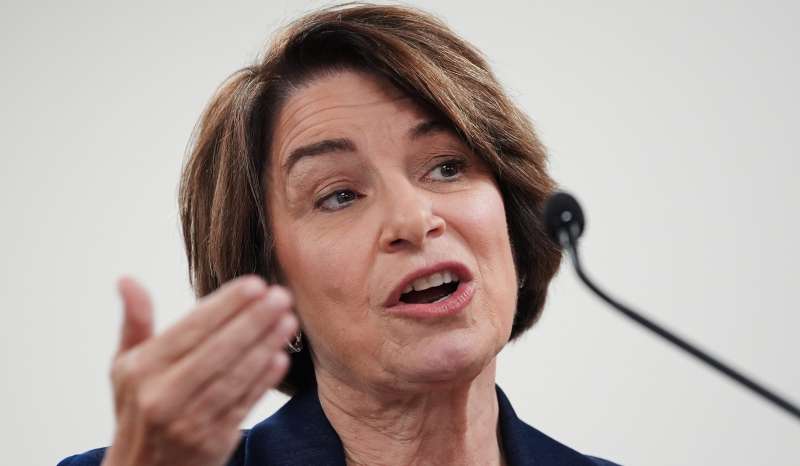
Multiple Minnesota and national tribal nations and conservation advocates are against the bill. Minnesota groups pleaded with US Senators Tina Smith and Amy Klobuchar to vote against the BAAJA. Smith did exactly that–again–while Klobuchar voted for it.
The controversial bill passed the US Senate 62-33 on Nov. 19, when 15 Democrats including Klobuchar joined all but two Republicans to support it, despite other Democrats retracting their previous support for the legislation amid pressure from their constituents. It’s now off to the US House for vote.
Here’s what you need to know about the legislation, its potential impacts in Minnesota, and what could happen next.
What is BAAJA?
BAAJA is a permitting reform bill that ultimately aims to tidy up revival and approval for energy and infrastructure projects, with a goal of more clean energy.
At the same time, BAAJA would make changes to foundational US environmental laws, including the National Environmental Policy Act (NEPA), the Clean Water Act, the Endangered Species Act, and the National Historic Preservation Act.
How BAAJA affects Minnesota
Changes made by BAAJA–if it passes the House and President Donald Trump signs it into law–would heavily affect Minnesota’s tribal nations and the BWCA.
Tribal Nations consultation
Minnesota has 11 tribal nations, five of which–Fond du Lac Band of Chippewa, Leech Lake Band of Ojibwe, Lower Sioux Indian Community, Grand Portage Band of Lake Superior Chippewa, and Prairie Island Indian Community–have spoken out against BAAJA.
The bill specifically proposes limiting the NPHA with changes to Section 106, which details how tribal consultations go when an environmental project is sited on tribal land. The changes would give tribes only 45 days to object and respond in writing to federal reports stating a project site (on tribal land) is eligible for an environmental project. This gives federal agencies greater authority over deciding how a project affects historically and culturally significant sites.
In a statement to Sahan Journal, Klobuchar said she has “long supported modernizing our permitting process to lower costs, get[ting] more affordable clean energy onto the grid, and creat[ing] good-paying jobs,” but that she’s “also clear that this legislation needed improvements to strengthen Tribal and environmental protections.” Klobuchar did still vote for the bill.
Environmental regulations and the BWCA
As stated by over 100 climate scientists in their plea to US House members to not pass the bill, BAAJA would also “restrict agencies from updating rules and permits to protect public health or the climate.”
“We understand the need for trade-offs and compromise when passing bipartisan legislation. But as scientists we feel strongly that the costs of this bill to the climate are too high.”
-Over 100 climate scientists and scholars
In regards to the BWCA, Save the Boundary Waters says BAAJA “significantly threatens our ability to protect the Boundary Waters watershed.” The bill’s “project certainty” makes it harder to challenge leases in court after it’s passed.
One example of this is the Twin Metals mining lease, a project that would harvest sulfide-ore from around the BWCA and was proposed in Dec. 2019. Critics have said sulfuric acid from the proposed project would likely leak into water that flows directly into the BWCA, polluting it, and the BAAJA would make it much harder to challenge, change, or overturn the lease in the future.
And because of the BAAJA’s changes to Section 401 of the Clean Water Act, which would limit state’s authority to grant, condition, or deny water-quality certification to environmental projects, the Twin Metals lease will have an increased chance of being approved, despite Twin Metals’ long history of pollution in its projects.
What happens next?
The House of Representatives is expected to vote on the bill the week of Nov. 30, though no formal date is set as of this writing. Trump has already announced his support for the BAAJA.