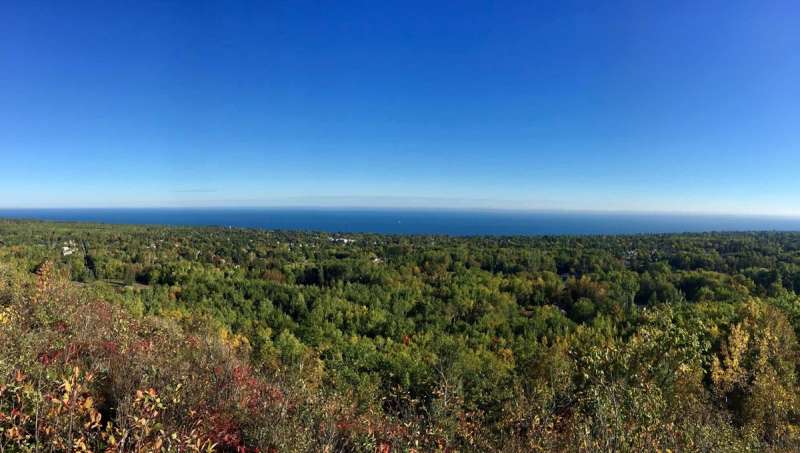
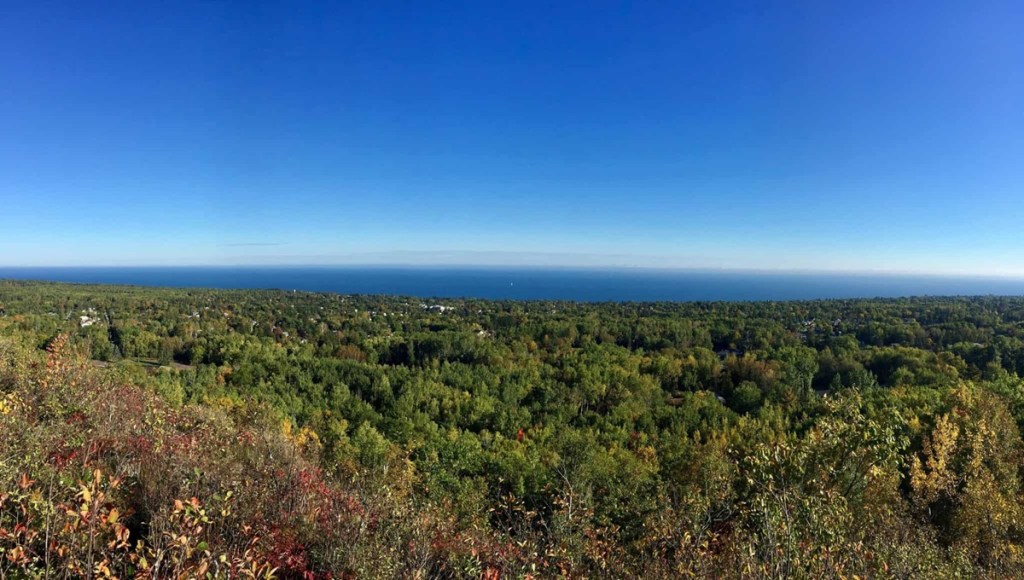
Duluth sits right along one of the corridors birds follow when heading south for the winter: the Mississippi Flyway. And Hawk Ridge Nature Reserve is perched along a raptor-specific flyway, making it a uniquely spectacular spot for raptor-watching. Because raptors prefer not to fly over large bodies of water, their flight paths swerve around Lake Superior—and right into the skies of Duluth!
“A lot of people don’t know that a major bird migration is happening during the fall season, or that this is one of the best places in North America to view the fall bird migration,” says Janelle Long, executive director of Hawk Ridge Bird Observatory, which operates the nature reserve. “We have an average of 60,000 raptors that are flying through each fall over 200,000 other birds that are being documented and counted as they’re migrating.”
What is Hawk Ridge Nature Reserve?
“At Hawk Ridge Nature Reserve, bird migration research and education have been going on for over 50 years—so we’re excited to kick off another season,” says Long.
In August, Hawk Ridge’s naturalists begin counting all the migrating birds that come through, from songbirds to large raptors. Hawk Ridge’s research includes bird banding, and its bird counts and banding research are important to raptor conservation, Long explains.
What to know about visiting Hawk Ridge Nature Reserve, and when to go for raptor-watching
“Starting September 1, we open up our visitor services and education programs for the public,” says Long. “We have wonderful naturalists and volunteers here every single day, 9 a.m. to 4 p.m., showing people what birds are migrating through and interpreting about the migration.”
“We will bring live birds that have been recently banded out for the public to see, and we do short education demos before we release them on their way,” she adds. “It’s a special opportunity for people to get to see those birds up close and then watch them be released so they can continue on with their migration.”
Hawk Ridge Nature Reserve is free to visit and has 4 miles of hiking trails as well as an overlook for viewing. Plus, it recently added a new accessible, half-mile loop trail.
Raptor watching hours are between 9 a.m. and 4 p.m. And from Sept. 1 to Oct. 31, on-site naturalists assist with bird identification and more.
“Visitors don’t need to know anything about birds. We welcome all ages, all abilities,” says Long. “That is what we are here for—to get people excited about bird migration. All of our staff are super knowledgeable. They love birds and they love sharing information about birds.”
If you want to stay a while to watch the birds, your legs could get tired! So bring a chair, since there is limited seating at Hawk Ridge Nature Reserve.
They also loan binoculars free of charge and have a merch trailer where you can purchase gear and souvenirs during your visit.
It can also get very busy, especially at peak hours during peak season. Be mindful of crowds at the reserve and overlook, and traffic on the roads.
Fall 2026 Activities at Hawk Ridge Nature Reserve
Free public programming from Hawk Ridge happens each weekend in September and October. Find schedules and more details at the Hawk Ridge website.
Learn all about this epic annual bird migration during Eyes on the Skies, every Saturday and Sunday from 11 a.m. to noon, or learn all about a wildcard topic from a “resident bird nerd” during a Naturalist Choice program, every Saturday and Sunday from 1 to 2 p.m. You can also join a naturalist for the 90-minute Summit Ledges Hike and learn about the landscape that is host to the migrating raptors, Saturdays and Sundays from 2 to 3:30 p.m.
The observatory also hosts special events and off-site programming throughout the season.
What raptors come to Hawk Ridge, and when is the best time to spot them?
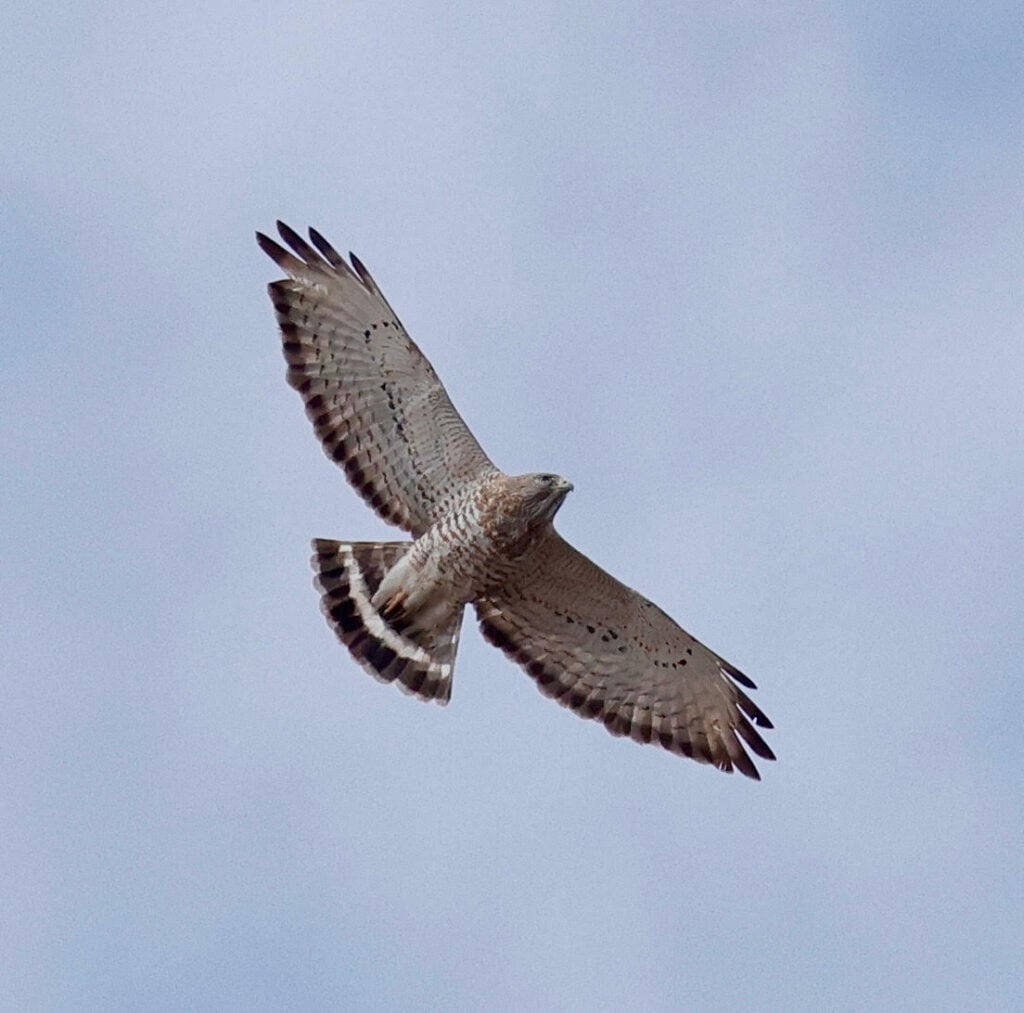
Raptor migration peaks mid-September through late October. Hawk Ridge Nature Reserve provides the spectacular opportunity to see 20 species.
Kestrels fly through as early as mid-August, while eagles and goshawks continue to arrive as late as December. Between Sept. 10 and 25, tens of thousands of Broad-winged hawks visit Hawk Ridge, and this is also when the greatest diversity of species travel through the area. The peregrine falcon and gyrfalcon are among the rarest birds to visit the reserve.
Long’s favorite bird is the first raptor she ever saw: a Cooper’s hawk. Though not as common as other hawks that visit the reserve, Cooper’s hawk migration peaks mid-September through early October.
Another animal Long loves that you can see at Hawk Ridge: the Franklin’s ground squirrel, which looks kind of like a prairie dog. “We have a good population of Franklin’s ground squirrels that live near our main overlook,” says Long. “I think they like to take advantage of all the visitors that may be bringing yummy snacks—but we don’t encourage feeding them by any means.”
Some common raptors that visit Hawk Ridge Nature Reserve, and the peak fall migration season for each species, include:
American kestrels: late August through early October
Ospreys: late August through September
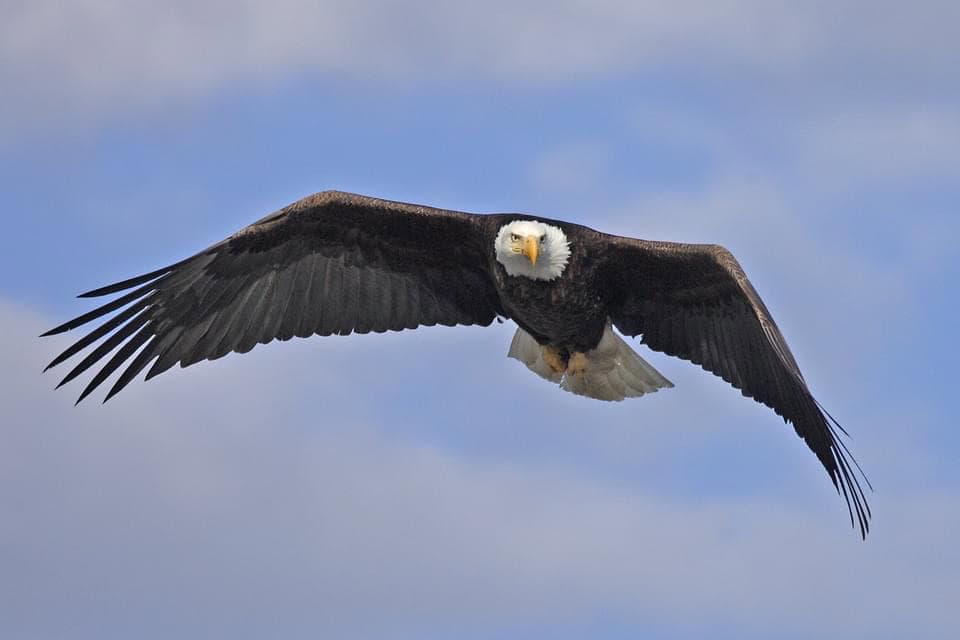
Bald eagles: September and October
Merlins: September through October
Peregrine falcons: mid-September through early October
Turkey vultures: late September through early October
Red-tailed hawks: early October through early November
Great horned owls: late November
This article first appeared on Good Info News Wire and is republished here under a Creative Commons license.