You’ve probably heard of regional American cuisines like Creole and Tex-Mex, but what about Minnesotan cuisine? While there are iconic dishes associated with the Land of the Lakes (hotdish, anyone?), some of the most authentic ways to taste the flavors of Minnesota aren’t about recipes, but ingredients.
Minnesota is full of amazing wild foods, and people have hunted, gathered, cooked, and eaten them for centuries. The state’s climate and geography mean that there are distinct foods that have come to be associated with wild Minnesota cuisine.
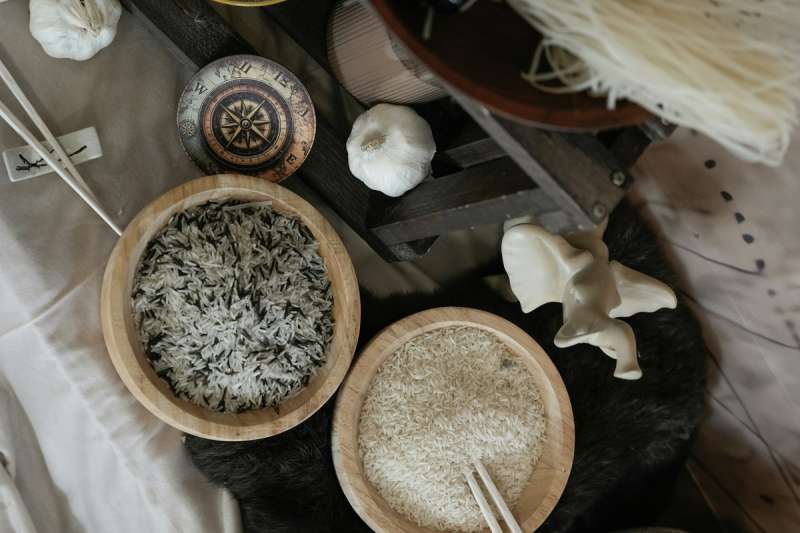
In the famous lakes and waterways, wild rice can be foraged and picked by hand, while on land, berries like blackberries and blueberries, as well as edible mushrooms, are beloved by those who have been trained to safely identify them. Warmer weather also brings in the arrival of tasty wild greens like fiddleheads and ramps.
Not all wild foods are plant-based, though. Wild cuisine can also incorporate fish and game, which are caught or hunted rather than farm-raised. For Minnesotans, hunting season means the possibility of venison, wild turkey, goose, duck, and smaller game birds like grouse and pheasant.
And lest you forget about the famous lakes and their surrounding rivers, they’re filled with fish including trout, bass, and of course, the State Fish of Minnesota, walleye.
Starting to sound tasty? Well, of course it is! But where can you try Minnesota’s wild foods? Especially if you live in a city or have never foraged before, it might seem a little bit intimidating to get started.
Luckily, there are two ways to try Minnesota’s wild cuisine: at a restaurant specializing in wild foods, or through your own foraging efforts. Consider both options, as restaurants can be especially appealing if you’re a newbie to foraging and want to try some wild dishes before learning the details of how to find them for yourself. Here are the details for whichever route you choose:
Savor these “cuisine sauvage” specialists
For a taste of Minnesota’s wild cuisine, one of the best ways to experience foraged food is at a cuisine sauvage restaurant. For the unfamiliar, cuisine sauvage is a French term that literally translates to “wild cooking.” Today, it refers to a culinary style that sources ingredients from the wild through foraging and/or hunting for wild game. In Minnesota, there are several restaurants that specialize in cooking with wild foods, which are foraged fresh and often mean seasonal specialties. Here are two worth trying to get your wild flavor fix:
1. Indigena by Owamni
Address: 806 South 2nd Street, Minneapolis
For proof that wild foods don’t mean foods that are lacking in sophistication, look no further than Indigena by Owamni. This Native American restaurant, owned and operated by North American Traditional Indigenous Food Systems (NATIFS), specializes in creative modern takes on traditional Indigenous American cuisine and includes foraged and wild-caught seasonal ingredients, many of which are sourced from Minnesota. Try the seasonal game sausage with leek aioli, grilled turnip, and pickled pink peppercorn, and be sure to order some hand-harvested wild rice with dried berries on the side.
2. Spoon and Stable
Address: 211 N 1st St, Minneapolis
Chef Gavin Kaysen is a James Beard Award winner who founded Spoon and Stable, a New American restaurant with a decidedly Minnesota flavor. The restaurant describes its philosophy as based around “hyper-seasonality,” with an ever-changing menu based on foraged, fished, and hunted ingredients. As Chef Kaysen is a Minnesota native, incorporating the bounty of the state was part of his concept for Spoon and Stable from the beginning.
Fabulous spots for foraging, fishing, and hunting
In Minnesota, foraging for specific nuts, berries, and mushrooms is legal on public land like state forests and parks, meaning that you can try to rustle up some wild cuisine for yourself. Be sure that the area where you intend to forage is public land, though, or privately owned land where the owner has given you explicit permission to forage; otherwise, you run the risk of trespassing.
However, legality aside, a major consideration when foraging is safety. While it can be exciting (and tasty) to try food that you’ve gathered directly from the earth, not all plants and fungi are safe to eat, and some can be poisonous.
That’s why foraging classes can be a great way to start foraging with the help of an expert guide who will not only teach you about the natural environment you’re foraging in, but also ensure that you’re only taking home items that can be safely consumed. As foraging is increasingly a popular hobby among Minnesotans, more and more foraging classes have popped up like mushrooms (pun intended), so you’ll have plenty of options.
However, some examples of specifically food-focused Minnesota foraging classes (as opposed to those with an emphasis on medicinal herbalism) include:
- Chick of the Woods: Mushroom-centric open and private foraging classes, as well as private events and an annual market.
- Four Seasons Foraging: Hosts courses in the Twin Cities area on seasonal edible plants, as well as mushroom-focused courses.
- Gentleman Forager: Offers mushroom-focused foraging classes to identify and gather edible fungi.
- Ironwood Foraging: Hosts foraging classes in the Minneapolis area centered around edible plants and insects, as well as maple syruping workshops
For fishing and hunting, there are still safety concerns, but these are generally more to do with your equipment than with anything you might have caught and whether it’s edible. If you intend to hunt with firearms or a bow and arrow, be sure you’ve had safety education beforehand to ensure that no one in your party is hurt.
Also, make sure you have a valid license and that it’s the appropriate hunting or fishing season before you set out. Some wild game also requires a specific permit to hunt, so ensure that you’ve applied or, when there’s a quota in effect, entered the permit lottery in time.
Whether you’re searching for edible plants and fungi, casting a line, hunting wild game, or even being daring enough to seek out edible insects, Minnesota’s bounty can make for good eating any time of year. So stay safe, and bon appetit!
This article first appeared on Good Info News Wire and is republished here under a Creative Commons license.
Related: 9 orchards in Minnesota perfect for apple picking, cider sipping, & fall fun