Your candidates for Minnesota’s next political leaders have been chosen, and now, it’s time for Minnesotans to choose who they want in charge.
Whether it was state House Speaker Melissa Hortman’s political assassination, the mass shooting at Annunciation Catholic School, the ICE occupation of Minnesota via Operation Metro Surge, or the countless other jabs the state has taken from President Donald Trump and the federal government, the nation’s eyes have been trained on the North Star state for much of the past year.
So, it’s no wonder that when it comes to the 2026 midterms, Minnesota is again a center of attention.
Plenty of key races are top of mind for Minnesotans this year. Keep reading for a breakdown of each race and what sets the candidates apart.
Minnesota’s midterm election is Nov. 3.
Governor
Democratic Gov. Tim Walz is leaving the governor’s mansion after two terms, having taken office in 2019. He’s retiring after a busy past two years, including running as the Democratic nominee for Vice President alongside Kamala Harris in the 2024 presidential election. In a January interview, Walz told MS Now he will “never run for an elected office again.”
DFL-endorsed candidate Senator Amy Klobuchar is the Democratic nominee for governor. Her win was one of the first election results called on primary night as she got almost 90% of the Democratic vote. Klobuchar has held her office for 19 years and is regarded as one of the most bipartisan Senators in Congress.
She’s campaigning on affordable housing and healthcare, making fraudsters accountable for their crimes, and expanding the state’s agriculture economy. Klobuchar is running with former Fergus Falls mayor Ben Schierer.
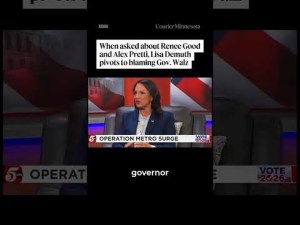
State Rep. Lisa Demuth will be going against Klobuchar, winning the Republican nomination despite President Trump backing another candidate in the primary. The first Black lawmaker and Republican woman to win House Speaker, Demuth is campaigning on lowering taxes, holding fraudsters accountable, and boosting education scores.
Demuth has also repeatedly said she can’t name a single policy she disagrees with Donald Trump on, despite his administration effectively raising taxes on many Americans, holding back necessary funding due to alleged fraud, and trying to shut down the Department of Education.
US Senator
Democratic Senator Tina Smith is retiring after two terms, saying she wants to prioritize her family.
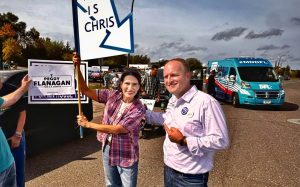
After a doozy of a primary race for the Democratic nomination, DFL-endorsed candidate Lieutenant Governor Peggy Flanagan won. She took home almost 60% of the Democratic vote. Flanagan has been Lt. Gov. since 2019, leading the state alongside Gov. Walz.
Flanagan is campaigning on Medicare for All, overhauling US Immigrations and Customs Enforcement (ICE), and making everyday life more affordable for Minnesotans. She’s endorsed by Smith and multiple other federal office holders, like Vermont’s Independent Senator Bernie Sanders.
Going up against her is GOP candidate Michele Tafoya. Tafoya is a former sports broadcaster, most popularly known for her sideline reporting for NBC Sunday Night Football.
Tafoya is campaigning on deporting immigrants who commit fraud and/or are undocumented, “getting men out of women’ s sports,” and the SAVE America Act.
A special note: If Klobuchar wins the governor’s seat, she will also be responsible for appointing someone to temporarily fill her Senate seat while waiting for a special election.
Congressional District 1
Republican Rep. Brad Finstad is running for reelection after serving three terms in office. He took the GOP endorsement and easily won the nomination with just over 90% of the Republican vote in the primary.
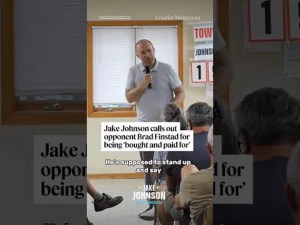
Finstad says he champions the armed services, reduced government spending, and fewer federal regulations for farmers, though he has faced criticism for not showing up to town halls since he entered office in 2022.
DFL-endorsed candidate and high school math teacher Jake Johnson won the Democratic nomination with almost 82% of the Democratic vote in the primary election. Johnson says he’s trying to do what Finstad isn’t doing: show up for Minnesotans.
He’s campaigning on affordability, fighting big corporations and PACs, and investing in small town infrastructure.
Congressional District 2
Democratic US Representative Angie Craig vacated her seat after four terms to run for the US Senate. While she lost the Democratic primary to Flanagan, the seat is still open.
State Senator Eric Pratt won the GOP endorsement and was uncontested in the primary election. He wants to support small businesses and law enforcement–state and national–and also crack down on fraud.
DFL-endorsed candidate Matt Little beat out other Democrats in the primary, garnering around 47% of the Democratic vote. Little is a former state Senator and the former mayor of Lakeville.
He’s running an explicitly progressive campaign–similar to Flanagan’s–which includes fighting for Medicare for All, the complete replacement of ICE, and regulating AI and data centers.
Attorney General
Democratic Attorney General Keith Ellison is running for reelection after two terms. Following the Feeding Our Future fraud scheme, the DFL-endorsed candidate is campaigning on a promise to combat healthcare fraud with the Medical Assistance Protection Act, which would add 18 new staff members to the Medicaid Fraud Control Unit run by his office.
He won the primary with almost 85% of the Democratic vote.
His only opponent is Republican trial lawyer Ron Schutz. He left his executive chairman position at Robins Kaplan law firm to run for the office.
Schutz was uncontested in his primary election. He’s also running on fighting fraud and crime.
Secretary of State
Minnesota’s current Secretary of State—Democrat Steve Simon—ran uncontested for the Democratic primary. Simon has been in office since 2015. He’s running on defending democracy and election processes.
His opponent is GOP-endorsed former state Representative Tad Jude, who won the Republican primary with 60% of the total vote. Jude has a specific “SAVE Minnesota Plan” as part of his campaign, which includes “cleaning up” voter rolls, going back to the old state flag, and requiring a photo ID to vote.
Get registered to vote
Stay Informed
Be sure to bookmark and follow Courier Minnesota on the social platform of your choice and subscribe to our weekly newsletter.