By Mike Moen
A lack of access to affordable, stable housing is an issue being felt across Minnesota. Support organizations working with Native Americans in Minnesota say they face a maze of complications they’re working through.
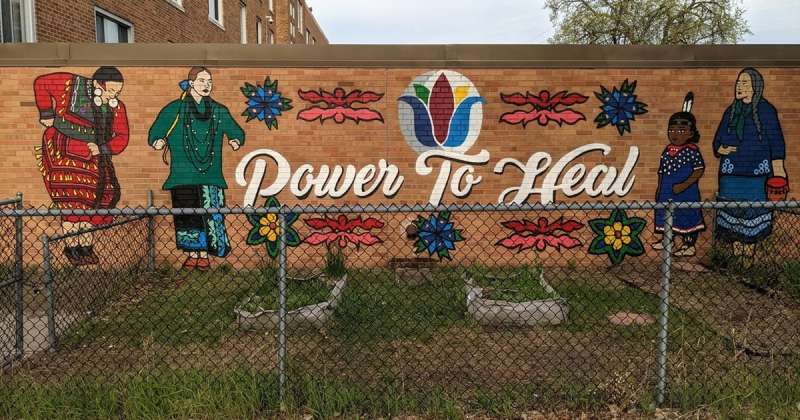
Minneapolis is home to one of the largest concentrations of urban Native Americans in the United States, with a key cultural corridor on the city’s south side.
Based in Minneapolis, the American Indian Community Development Corporation offers programs addressing housing and homelessness in the area. Executive Director Travis Earth-Werner said the support system has had a lot to contend with recently.
“The opioid epidemic, the pandemic – all these events that have occurred throughout the last ten years [have] escalated homelessness, poverty. There are a lot of first-time homeless individuals,” Earth-Werner explained.
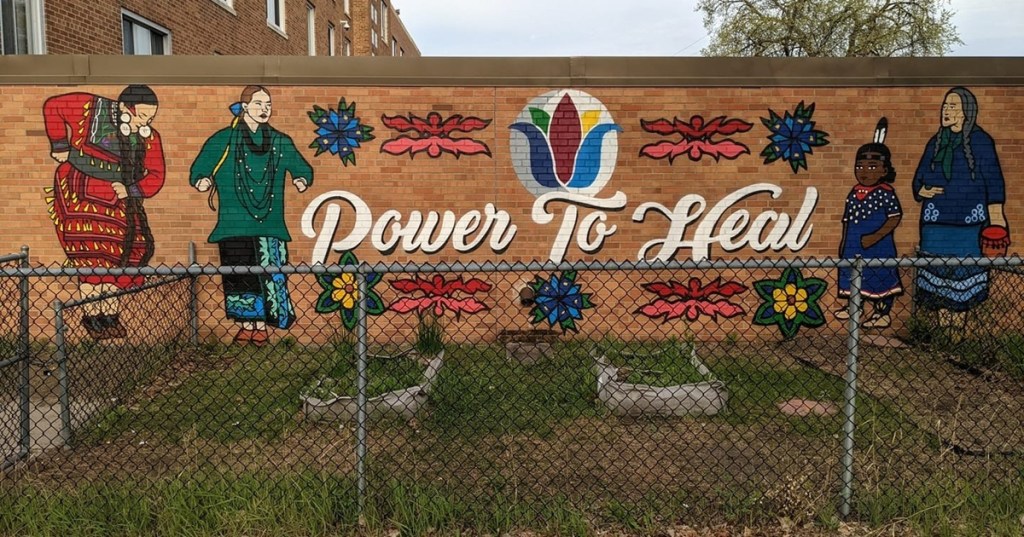
His nonprofit has about 500 units available for American Indians overcoming substance use disorders and other challenges so they can maintain their housing.
But Earth-Werner said resources are stretched thin and voiced added concerns about possible federal cuts on the horizon. He noted there are still gaps to fill for needs like sober-housing options.
The deeper needs of Native Americans in Minnesota
Earth-Werner acknowledged many communities want to add affordable housing development to meet demand. But to stay in those units, residents need good-paying jobs that don’t always require a long list of education credentials.
For areas with unique needs, Earth-Werner stressed that groups on the ground need all the outside support they can get so staff can stay mission focused.
“It takes people with a lot of hard work to work with individuals and progress them forward when often, there’s a lot of hopelessness involved,” he added.
Ruth Buffalo, president and CEO of the Minnesota Indian Women’s Resource Center, echoed the need for strong supportive services to accompany any new housing development. In this part of South Minneapolis, she said, public safety feels like an afterthought, with drug dealing and other criminal activity making it hard for American Indians to go about their daily lives.
“Our most vulnerable are really trying hard to make a new path forward, but they can just go right outside and there’s predators lurking,” Buffalo warned.
The Women’s Resource Center recently opened a 24-unit supportive housing building called Oshki-Gakeyaa, or New Way. The city contributed funding. But on a larger scale, Buffalo advises policymakers to listen to what residents want in crafting solutions – like housing they can afford.
Related: Beef imports could add to pain felt by Minnesota’s dairy farms