By Mike Moen
International beef imports do not just affect domestic ranchers. A Minnesota dairy farmer said they hurt producers like him because his cows wind up in meat supplies once their milking life is over.
The Trump administration sent shock waves through farming circles when it opened the path for an additional 300,000 metric tons of foreign-raised beef supplies at the start of this month. The White House said the imports help address higher retail prices but U.S. ranchers countered it undermines their efforts.
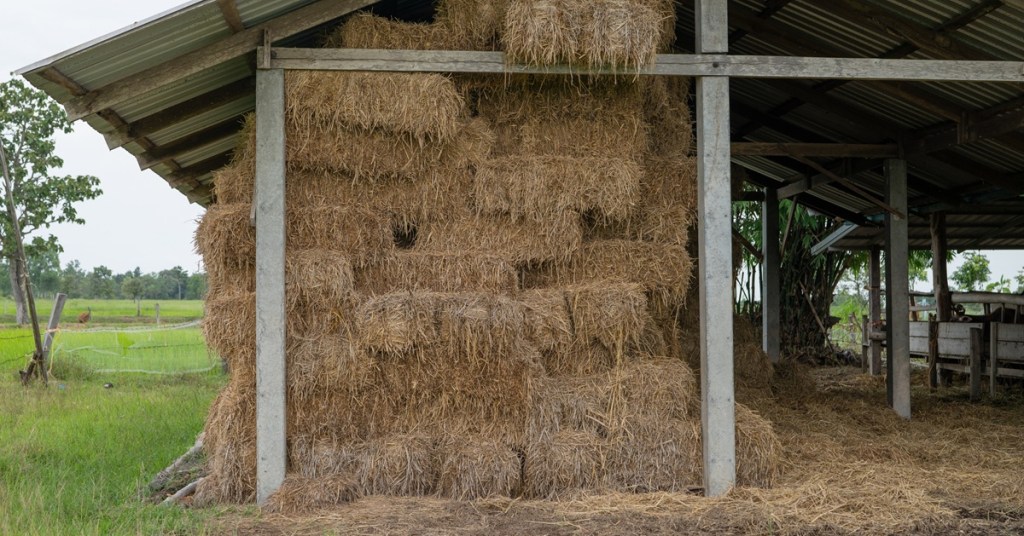
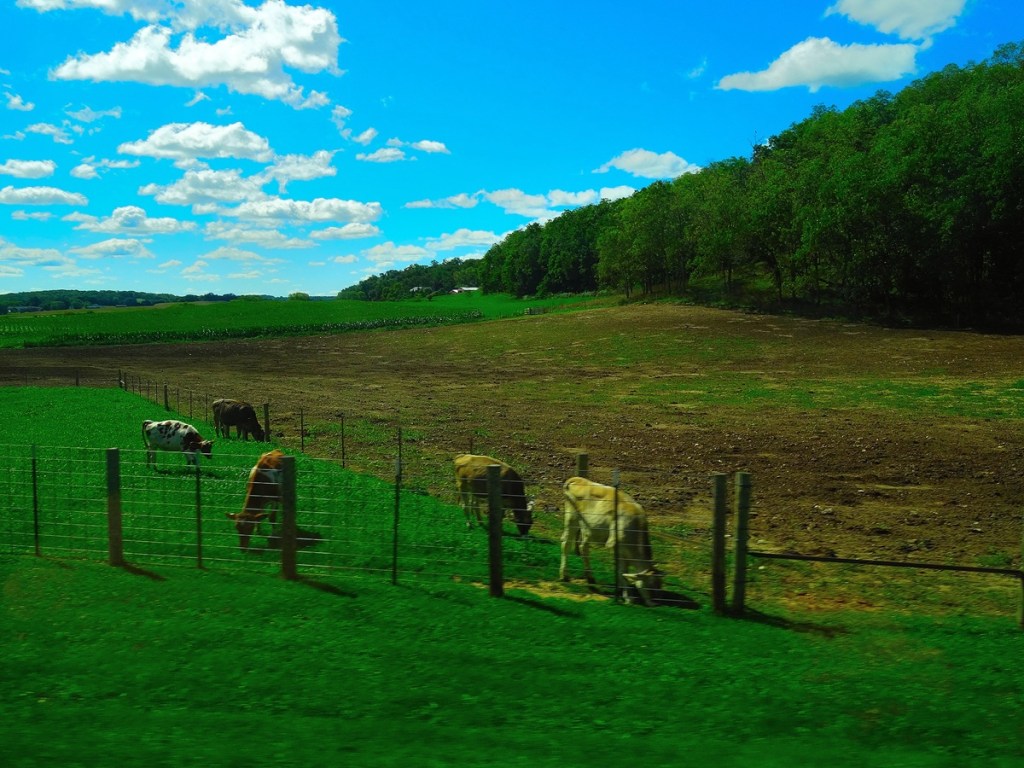
Darrel Mosel, a farmer based in Sibley County, said when his dairy heifers age out, they are sold for slaughter. He echoed frustrations about the federal move.
“My sense is the market will correct itself in time and I think I would agree with the industry that I don’t think the imports are really necessary, or probably not even a good thing,” Mosel emphasized.
He pointed out the timing is especially bad because Minnesota dairy producers are being forced out of the market by expanding mega-dairies. Ag associations said they understand cost issues facing consumers but added a foreign injection of supplies is a short-term fix as ranchers still recover from droughts affecting cattle herds.
They warned overreliance on imports will ultimately lead to even higher grocery costs while putting food safety at risk.
What do American farmers suggest doing about beef imports?
American farmers said moves like the new imports should compel Congress to restore mandatory country-of-origin labeling, which requires domestic beef companies to print “Made in the USA” on their packaging.
Mosel argued it can help independent farmers build trust with consumers worried about where the products they buy were raised.
“I think it gives them a sense of satisfaction knowing that they can make that choice,” Mosel observed.
Labeling rules were recently bolstered but remain voluntary. This month, President Donald Trump signed an executive order calling on the U.S. Department of Agriculture to review possible ways of restoring disclosure language as Congress debates the issue. There are separate pushes to bring back the requirement under the next Farm Bill.
Congress repealed country-of-origin labeling for beef and pork a decade ago amid complaints from trade partners.