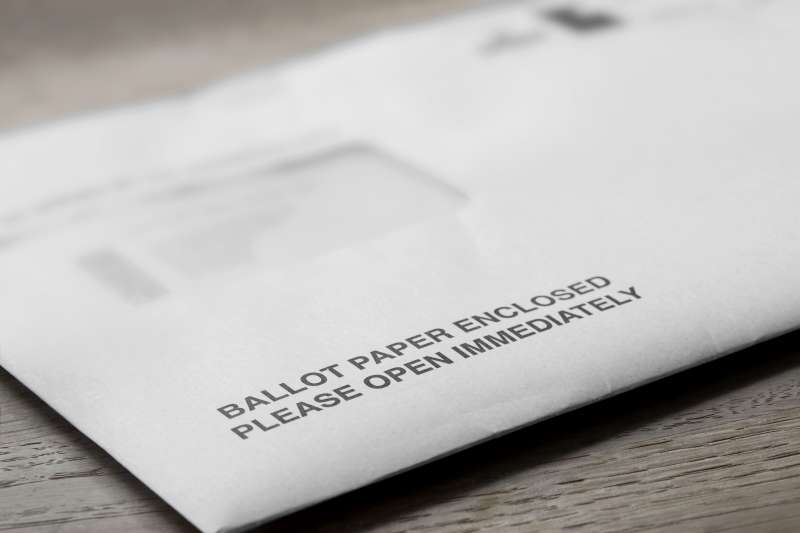
In less than three months, Minnesotans will determine who is running their legislature, who will represent them in Washington DC, and who will lead the state as governor. But, not everyone is able or available to vote on Nov. 3. That’s where the absentee ballot comes into play.
If you’re out of town, can’t get off work, have a chronic illness or disability, are taking care of family, or have any other reason you can’t make it to the polls, an absentee ballot will make it so your voice is still heard.
There are no restrictions in Minnesota on requesting an absentee ballot, which can be done at the Minnesota Secretary of State’s Election and Voting page. Election officials will mail you your ballot, and you can either mail it in or return it in person.
Now, on to what exactly an absentee ballot is, how to return it, how to track it, and some key dates you need to remember.
Reminder: Election officials must receive the ballot by 5 p.m. on Election Day, not just postmarked by that date. Send it back as early as possible.
What is an absentee ballot?
An absentee ballot lets registered voters cast their ballot without voting in person. This could be by mail, by proxy, or returning it yourself. Absentee voting is commonly used by voters in the military, those abroad, and those with disabilities. But, Minnesota allows any registered voter to use an absentee ballot.
How do I get an absentee ballot in Minnesota?
To vote absentee, head to the Minnesota Secretary of State’s Election and Voting page. You can apply online, by mail, by email, by fax, or in person.
The online application process started in mid-May, and ballots are available 46 days (Friday, Sept. 18) before Election day (Nov. 3), which is the last day to turn in your ballot. It’s recommended you apply for a ballot before Tuesday, Oct. 20.
If you live in a nursing home, assisted living facility, residential treatment center, group home, or battered women’s shelter, or if you are hospitalized or have difficulties getting to polling places due to health or a disability, you can sign up here to have an agent pick up and deliver your ballot for you.
Once you apply, you can track your ballot here to find out when it was mailed to you.
Where do I return my absentee ballot?
- Mail your ballot back with the postage paid envelope given to you
- Drop it off yourself to a ballot box
- Have someone else drop off your ballot to a ballot box (a person can drop of the ballots for up to three other voters)
Ballot drop box locations across the state can be found here.
To learn more about what happens after you return your ballot, look at the process here.
When is my absentee ballot due?
No matter what route you choose, your ballot must be delivered by 5 p.m. on Election Day.
A ballot postmarked before or on Election Day will not be counted if it is received late, so turn it in as early as possible.
If you are using the agent delivery process, the ballot can be returned as late as 8 p.m. on Election Day.
You can track your ballot here to find out when election officials have received it.